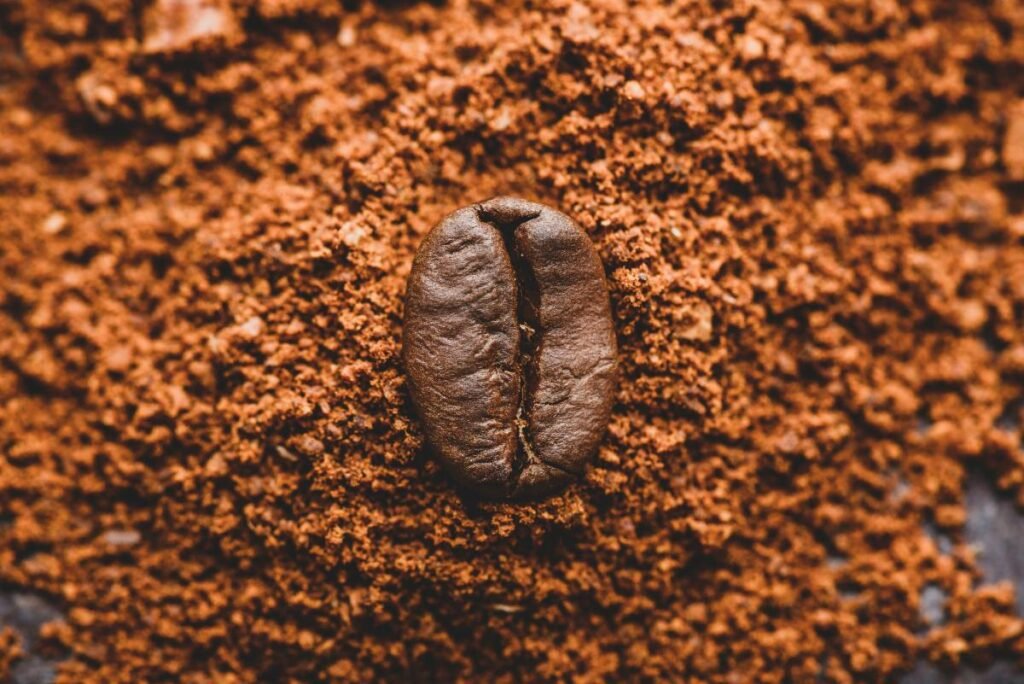
There is a simple reason why freshly ground coffee can taste noticeably better: time and oxygen affect coffee’s aroma and flavor.
Once coffee beans are roasted, they slowly release carbon dioxide and undergo oxidation. When the beans are ground, their surface area increases dramatically, allowing these processes to happen much faster.
Freshness Starts with the Beans
Whole coffee beans generally preserve their aroma better than pre-ground coffee because less of the bean is exposed to air.
When you grind coffee just before brewing, more of its natural aromatic compounds remain available to contribute to the flavor of your cup.
Why Grinding Matters
The size of the coffee grounds affects how quickly water extracts flavor from the coffee.
A fine grind has more surface area and allows water to extract flavors quickly, making it suitable for espresso.
A medium grind is commonly used for filter coffee.
A coarse grind is better suited to methods such as a French press, where the coffee remains in contact with water for longer.
Using the right grind size helps create a more balanced cup and reduces the risk of coffee tasting either weak and under-extracted or harsh and over-extracted.
Grind Coffee Just Before Brewing
For the best flavor, grind only the amount of coffee you are about to use. Keep the remaining beans in an airtight container, away from heat, moisture, light, and strong odors.
A good grinder also matters. Consistent grounds help water extract the coffee more evenly, giving you greater control over the final taste.
From Fresh Beans to Your Cup
Freshly grinding coffee does not automatically make every cup perfect. The quality and freshness of the beans, grind size, water, temperature, brewing time, and coffee-to-water ratio all work together.
But starting with freshly ground beans gives you a better chance of preserving the aromas that make coffee distinctive.
At Cup & Go, we believe that great coffee starts with great beans — and freshness is an important part of the journey from the roaster to your cup.